
Safe Co-Sleeping:

A Guide for New Parents

While there are numerous methods to encourage your baby to sleep peacefully, co-sleeping is one option that many parents find comforting.

In this blog, we'll explore how to co-sleep safely, offering guidance and reassurance for those nights when sharing the bed with your baby feels right.

Embracing Choices and Safety First

Firstly, it's crucial to emphasise that there's no one-size-fits-all solution for getting your baby to sleep. Every family is unique, and it's about finding what works best for you and your baby.

While it's generally safer to let your baby sleep in a bedside cot or Moses basket in the same room as you, there may be times when co-sleeping becomes a natural choice. This is perfectly fine as long as it's done safely.

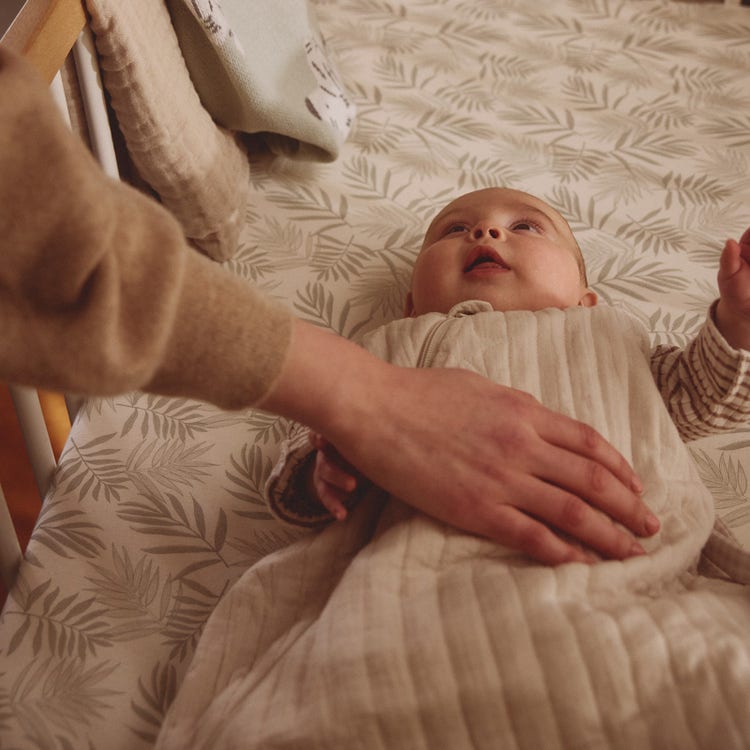
Understanding Co-Sleeping

Co-sleeping simply means sharing a sleeping space with your baby, whether it's on the same bed or within arm's reach. The closeness can provide comfort and convenience for both parents and infants.

Tips on Co-Sleeping Safely

1.      Secure Sleeping Environment:

-          Ensure your baby cannot fall out of bed or become trapped between the mattress and the wall.

-          Keep pillows, toys, sheets, and blankets away from your baby; consider using baby sleeping bags for added safety.

2.      Just the Two of You:

-          Avoid having other children, partners or pets in the bed when sharing it with your baby.

3.      Back to Sleep:

-          Always place your baby on their back to sleep, reducing the risk of Sudden Infant Death Syndrome (SIDS).

When Co-Sleeping is Not Safe

There are times when you're recommended to not co-sleep with your little one to ensure their safety:

1.      Fatigue and Illness:

-          Never co-sleep if you are not feeling well or are extremely tired, or your baby has a fever or any signs of illness.

2.      Premature Birth or Low Birth Weight:

-          Avoid co-sleeping if your baby was born prematurely (before 37 weeks) or had a low birth weight (less than 2.5kg or 5.5lb).

3.      Avoid Sofas and Chairs:

-          Falling asleep on a sofa or chair with your baby significantly increases the risks to your baby, ensure that if co-sleeping, this is done in a safe and controlled manner.

4.      Substances and Co-Sleeping:

-          Do not co-sleep if you have been smoking, drinking alcohol, are on any unprescribed medication or any medication that causes drowsiness.

Co-Sleeping with Confidence

Co-sleeping is a valid technique you may want to try. It's all about finding what works best for your family while ensuring that you do it in a safe and informed way. By following these guidelines, you can embrace co-sleeping as a nurturing practice, making those precious moments of sleep with your baby both comforting and secure.

targetId
mc-sp-pr-1