nurturing baby's growth:
transitioning from milk to solids
age and transitioning:
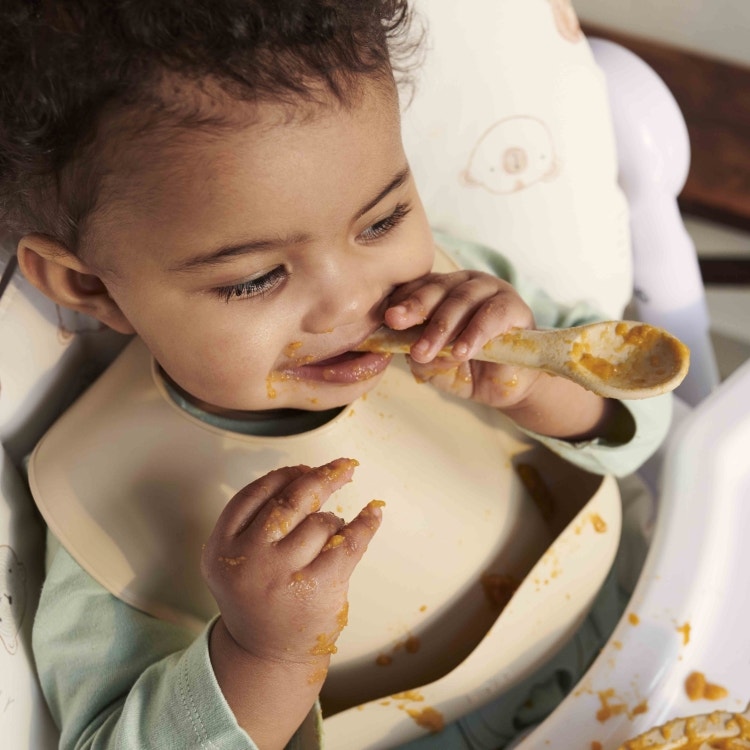
Every baby is a unique and that's why there's no one-size-fits-all answer when it comes to the perfect time to start weaning and reducing milk feeds. It’s suggested that most babies are ready to start exploring solid foods around six months old. However, the journey of reducing milk feeds may begin a bit earlier or later, depending on your baby's cues and readiness. Keep an eye out for signs such as increased interest in food, good head control, and the ability to sit up unaided.
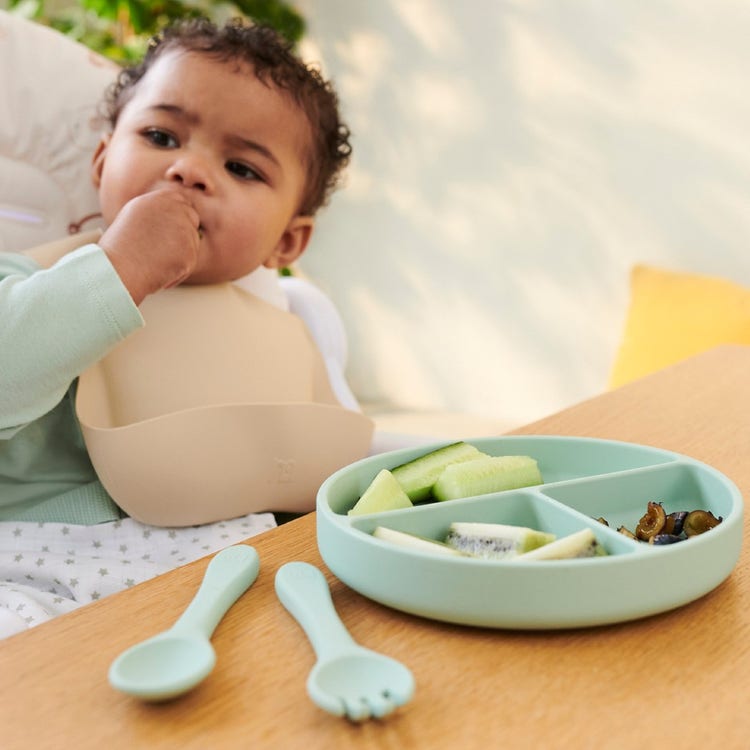
Once solid foods are introduced either by spoon-led or baby-led weaning, you can gradually start to reduce milk feeds. However, breast milk or formula should still be the main source of nutrition for babies up to at least their first birthday.
As a general guideline, you can begin by replacing one milk feed with a solid meal each day and gradually increase the number of solid meals as your baby becomes more accustomed to eating solids. Pay attention to your baby's cues and appetite – they'll let you know if they're ready for more solids or if they still need milk for nourishment.
It's essential to continue offering breast milk or formula alongside solid foods to ensure your baby receives all the nutrients they need for healthy growth and development. If you're unsure about how much to reduce milk feeds or have any concerns about your baby's feeding habits, it's always best to consult with your healthcare provider for personalized advice.
transition tips:
Now, let's dive into the heart of the matter – transitioning from milk feeds to the world of solids is a balancing act. One step at a time, we guide our little ones toward new tastes and textures while still providing the comfort and nourishment of milk. Here are a few tips to help ease the transition:
- Gradual Introduction: Start by offering small tastes of pureed fruits or vegetables, gradually increasing the variety and texture as your baby becomes more accustomed to solids.
- Timing Is Key: Try offering solids about an hour after a milk feed, when your baby is not too hungry or too full. This way, they'll be more receptive to trying new foods.
- It’s important to introduce foods that can trigger allergic reactions one at a time, in very small amounts so that you can spot any adverse reaction.
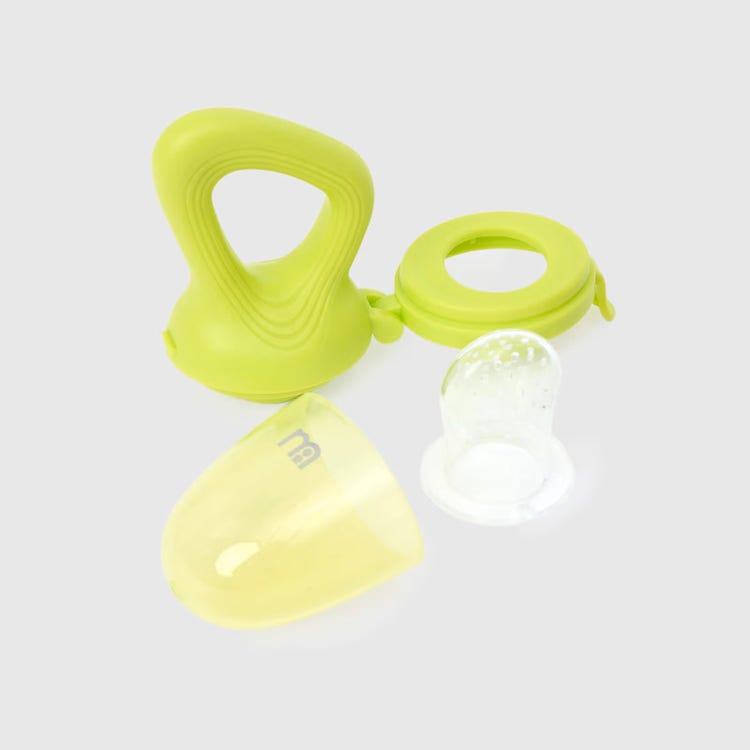
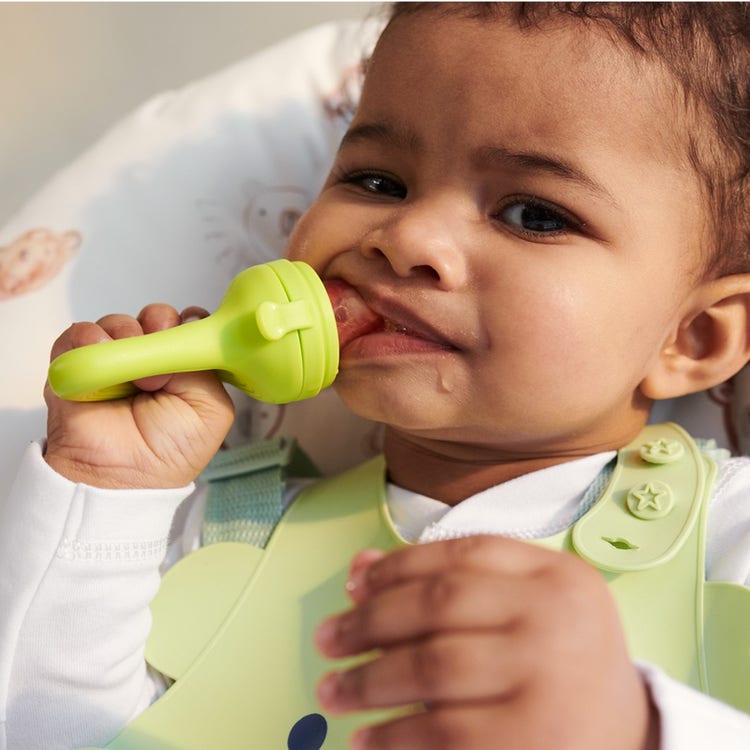
- Silicone Food Feeders: These can be a handy tool for introducing solids, allowing your baby to explore different tastes and textures in a safe and controlled manner.
Remember, every baby is unique, so trust your instincts and embrace this journey with patience and joy. Whether you're embarking on the adventure of weaning for the first time or welcoming a new addition to your family, we are here to support you every step of the way.